
Table of Contents
ToggleVagal Nerve Stimulation: 7 Proven Health Benefits for 2026
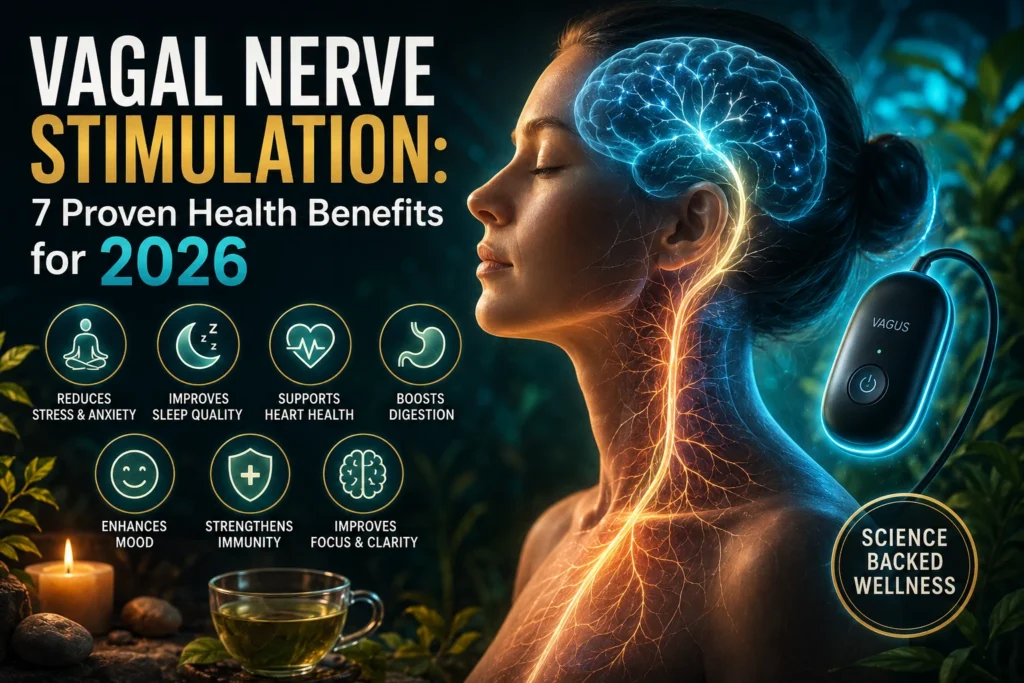
The vagal nerve—your body’s longest cranial nerve—is generating serious buzz in the wellness world, and for good reason. In 2026, vagal nerve stimulation has evolved from a niche medical procedure into an accessible wellness practice that everyday Americans are using to manage stress, improve sleep, and boost overall health. Whether you’re interested in high-tech vagal nerve stimulation devices or simple at-home techniques, understanding how to activate this powerful nerve could be a game-changer for your wellbeing.
This guide breaks down everything you need to know about vagal nerve stimulation, how it works, and practical ways to implement it into your daily routine.
What Is Vagal Nerve Stimulation?
The vagus nerve is the tenth cranial nerve and the longest nerve in your autonomic nervous system. It extends from your brainstem all the way down to your gut, making stops at your heart, lungs, and digestive organs. The name “vagus” literally means “wandering” in Latin—a fitting description for this extensive network.
Vagal nerve stimulation refers to techniques and treatments that activate this nerve, triggering a cascade of physiological responses. When stimulated, the vagus nerve activates your parasympathetic nervous system, often called your “rest and digest” mode.
Understanding Your Vagal Tone
Vagal tone is a term that describes how well your vagus nerve functions. Higher vagal tone correlates with better emotional regulation, improved stress resilience, and stronger immune function. Think of vagal tone as the strength of your body’s internal “off switch”—the better it works, the easier you can shift from stress to calm.
How Does Vagal Nerve Stimulation Work?
When your vagal nerve stimulation activates the parasympathetic nervous system, several important changes occur:
Nervous System Shift: Your heart rate slows, blood pressure drops, and digestion improves.
Inflammation Reduction: The vagus nerve releases acetylcholine, a neurotransmitter that tells your immune system to dial down inflammatory responses.
Hormone Regulation: Cortisol (your stress hormone) decreases while beneficial hormones like serotonin increase.
Brain-Gut Connection: Enhanced vagal signaling strengthens communication between your brain and digestive system.
This is why vagal nerve stimulation has become so popular—it directly influences multiple body systems through a single mechanism.
7 Proven Benefits of Vagal Nerve Stimulation
1. Reduced Anxiety and Stress
Vagal nerve stimulation activates your parasympathetic nervous system, counteracting your fight-or-flight response. Regular practice can significantly reduce baseline anxiety levels and help you recover faster from stressful situations.
Research shows that individuals who practice vagal nerve stimulation consistently report lower cortisol levels and improved emotional resilience.
2. Better Sleep Quality
By shifting your nervous system into rest mode, vagal nerve stimulation helps regulate your sleep-wake cycle. Many people report falling asleep faster and experiencing deeper, more restorative sleep after incorporating vagal exercises into their evening routine.
3. Improved Digestive Health
Your vagus nerve literally controls your digestive function. Stimulating it enhances stomach acid production, increases nutrient absorption, and promotes healthy gut motility—meaning better digestion and fewer issues like bloating or constipation.
4. Lower Inflammation
Chronic inflammation is linked to countless health problems, from autoimmune conditions to heart disease. The “anti-inflammatory effect” of vagal nerve stimulation comes from its ability to regulate immune response, making it valuable for anyone dealing with inflammatory conditions.
5. Enhanced Heart Health
Vagal nerve stimulation reduces heart rate variability (HRV) in healthy ways, supporting cardiovascular function. It can lower blood pressure and improve overall cardiac efficiency—particularly valuable as you age.
6. Better Emotional Regulation
By strengthening the communication between your brain and body, vagal nerve stimulation helps you process emotions more effectively. This is especially helpful for people managing depression, mood swings, or emotional reactivity.
7. Improved Immune Function
Your vagus nerve directly influences immune cell activity. Regular vagal nerve stimulation training can enhance your body’s ability to fight infections and maintain optimal immune balance.
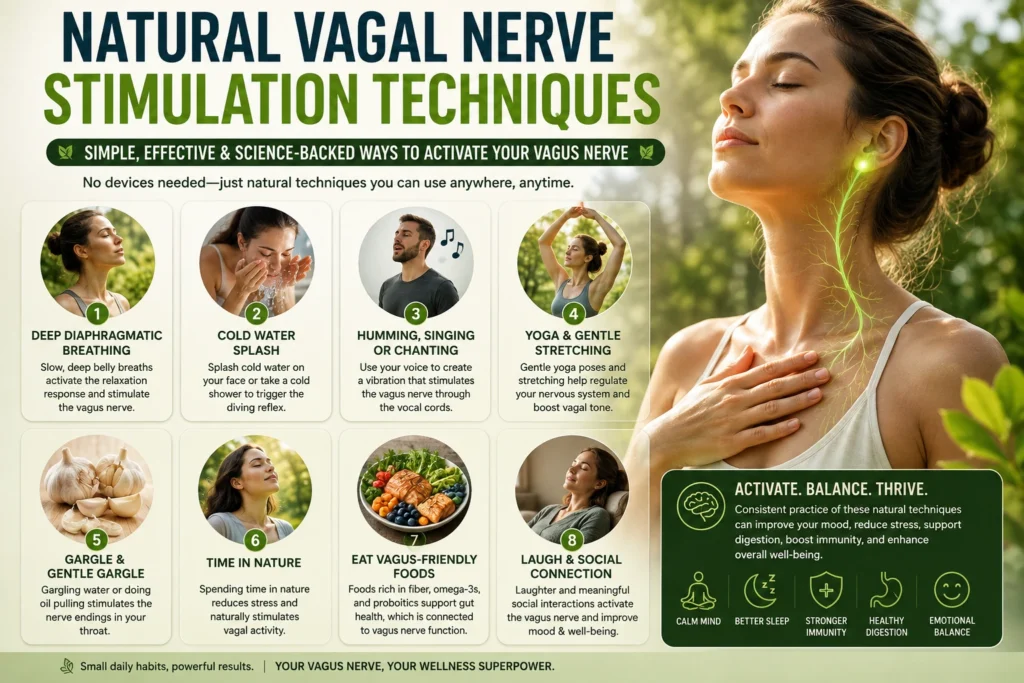
Natural Vagal Nerve Stimulation Techniques
You don’t need expensive devices to stimulate your vagus nerve. These evidence-backed, natural techniques can be done daily at home.
Cold Water Immersion
Exposure to cold water activates your vagus nerve almost immediately. Try these approaches:
- Splash cold water on your face (the dive reflex activates your vagus nerve)
- Take a cold shower for 30-60 seconds
- Hold an ice cube in your mouth briefly
- Immerse your face in cold water for 15-30 seconds
Best practice: Start with short exposures and build gradually.
Deep Breathing and Humming
Your vagus nerve controls your vocal cords and breathing muscles. Specific breathing patterns directly stimulate it:
- Box breathing: Inhale for 4 counts, hold for 4, exhale for 4, hold for 4. Repeat 5-10 times.
- Extended exhale breathing: Make your exhale longer than your inhale (inhale for 4, exhale for 6).
- Humming or singing: The vibrations stimulate your vagus nerve. Spend 5 minutes humming or singing daily.
- Gargling: Vigorous gargling for 30 seconds activates the vagus nerve through your throat muscles.
Yoga and Gentle Movement
Certain yoga poses naturally stimulate your vagus nerve:
- Child’s pose – calming and grounding
- Downward dog – inversions help vagal tone
- Supported shoulder stand – gentle inversion
- Cat-cow stretches – gentle spinal movement
Regular yoga practice improves overall vagal tone through consistent nervous system activation.
Meditation and Mindfulness
Meditation strengthens vagal function through sustained parasympathetic activation. Even 10 minutes daily shows measurable benefits on heart rate variability and stress markers.
Social Connection
This might seem unrelated, but social engagement directly activates your vagus nerve. Meaningful conversations, laughter, and positive social interaction all stimulate vagal activity. This is why strong social connections correlate with better health outcomes.
Vagus Nerve Massage
You can manually stimulate your vagus nerve through gentle massage:
- Massage your neck gently, focusing on the carotid artery area
- Use upward strokes from your collarbone toward your jaw
- Apply gentle pressure to the area below your ear
- Perform for 2-3 minutes on each side, several times weekly
Dietary Support
Certain foods support vagal health:
- Omega-3 rich foods (salmon, sardines, walnuts)
- Fermented foods (yogurt, kimchi, sauerkraut)
- Polyphenol-rich foods (berries, green tea, dark chocolate)
- Fiber-rich foods (supports healthy gut bacteria, which communicate with your vagus nerve)
Technology-Based Vagal Nerve Stimulation Options
For those seeking more advanced approaches, several FDA-cleared devices are available:
Wearable VNS Devices
Devices like Xen and Neuropathix offer non-invasive vagal nerve stimulation through wearable technology. These typically cost between $500-$2,000 and can be used at home.
Smart Earplugs
Some companies have developed earplugs that deliver gentle stimulation to the vagus nerve branches in your ear. These are increasingly popular with biohacking enthusiasts and people managing chronic conditions.
Apps and Software
Applications guide you through vagal nerve stimulation exercises, track your progress, and remind you to practice. Many are free or low-cost, making them accessible entry points into this practice.
Important note: Always consult your healthcare provider before using any medical device, especially if you have a heart condition or pacemaker.
Common Mistakes When Practicing Vagal Nerve Stimulation
Inconsistency
Results come from regular practice. Sporadic attempts won’t build vagal tone. Aim for daily practice, even if just for 10 minutes.
Over-Doing Cold Water Exposure
Starting with extreme cold water can shock your system. Begin with gentle cold exposure and progress gradually over weeks.
Ignoring Baseline Health Issues
If you have heart arrhythmias, high blood pressure, or other cardiovascular conditions, discuss vagal nerve stimulation with your doctor first.
Expecting Overnight Results
Building improved vagal tone takes 2-4 weeks of consistent practice. Most people notice subtle changes within the first week, with more significant shifts after a month.
Neglecting Breathing Technique
Proper breathing is foundational. Many people rush through breathing exercises without focusing on full, deep inhales and exhales.
Lack of Mindfulness During Practice
Simply going through the motions reduces effectiveness. Approach vagal nerve stimulation with genuine attention to how your body feels.
Expert Tips for Maximum Results
Combine multiple techniques. Using breathing, cold exposure, and movement together creates synergistic effects.
Track your progress. Monitor heart rate variability, stress levels, or sleep quality to see objective improvements.
Practice at consistent times. Morning and evening practice bookends your day with nervous system regulation.
Stay hydrated. Your nervous system functions optimally with proper hydration.
Manage expectations. Vagal nerve stimulation is powerful but works best as part of a comprehensive wellness approach—not as a solo solution.
Work with professionals. Consider consulting a functional medicine doctor, therapist, or health coach who understands vagal nerve stimulation.
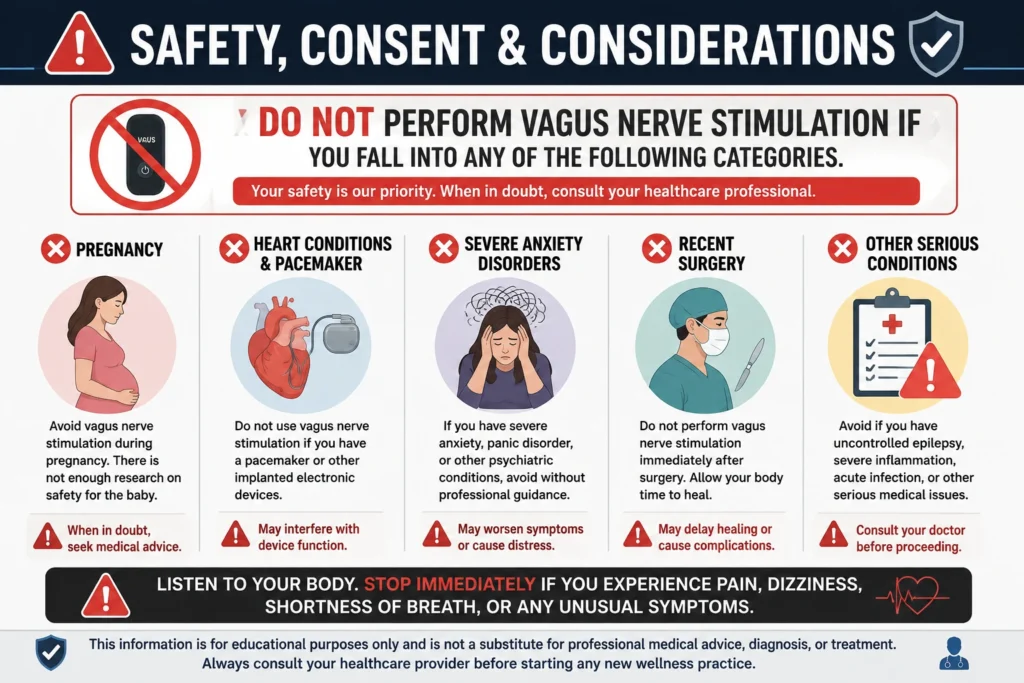
Safety Considerations
Vagal nerve stimulation is generally safe for most people, but certain groups should exercise caution:
- Pregnancy: Consult your OB/GYN before starting new practices
- Heart conditions: Discuss with your cardiologist before attempting cold water immersion
- Pacemakers: Avoid electrical vagal nerve stimulation devices
- Severe anxiety disorders: Some techniques might initially intensify anxiety; work with a mental health professional
- Recent surgery: Wait until you’ve recovered before attempting intensive vagal practices
Frequently Asked Questions {#faq}
What’s the difference between vagal nerve stimulation and vagal tone?
Vagal tone is your baseline vagal function—how strong and responsive your vagus nerve is. Vagal nerve stimulation refers to the specific activities and techniques you do to improve that tone. Think of it this way: vagal tone is the outcome; vagal nerve stimulation is the practice.
How long does it take to improve vagal tone through vagal nerve stimulation?
Most people notice initial improvements in stress response within 1-2 weeks. However, significant improvements in overall vagal tone typically require 4-8 weeks of consistent daily practice. Consistency matters more than intensity.
Can vagal nerve stimulation help with depression?
Yes, vagal nerve stimulation shows promise for depression, particularly when combined with therapy and other interventions. The mechanism involves increasing serotonin and regulating inflammatory markers. However, it should complement—not replace—professional mental health treatment.
Is vagal nerve stimulation safe for children?
Most natural vagal nerve stimulation techniques (breathing, yoga, social engagement) are safe for children. However, cold water immersion requires caution with kids. Always supervise and consult your pediatrician before trying new wellness practices.
Can I overdo vagal nerve stimulation?
While generally safe, excessive cold water exposure or intense breathing exercises can temporarily increase anxiety in sensitive individuals. Start gradually and listen to your body. If you feel dizzy or overwhelmed, stop and return to normal breathing.
Does vagal nerve stimulation actually work for digestive issues?
Yes, research consistently shows that improved vagal tone correlates with better digestive function. Many people report reduced bloating, improved bowel regularity, and better nutrient absorption within 2-4 weeks of regular practice.
What’s the best time of day to practice vagal nerve stimulation?
Morning practice energizes and prepares you for the day, while evening practice promotes better sleep. The best time is whenever you’ll practice consistently. Many people benefit from twice-daily practice—once in the morning and once before bed.
Can vagal nerve stimulation replace medications?
Never stop medications without medical guidance. Vagal nerve stimulation works best as a complementary practice alongside medical treatment. Discuss with your healthcare provider how it might fit into your treatment plan.
Conclusion {#conclusion}
Vagal nerve stimulation represents one of the most accessible yet powerful wellness tools available in 2026. By understanding how to activate your vagus nerve through natural techniques—breathing, cold exposure, movement, and social connection—you can directly influence your nervous system, reduce stress, improve digestion, and enhance overall health.
Key Takeaways:
✓ Your vagus nerve controls your “rest and digest” response and influences multiple body systems
✓ Vagal nerve stimulation can reduce anxiety, improve sleep, enhance digestion, and lower inflammation
✓ Natural techniques like deep breathing, cold exposure, and yoga are highly effective and free
✓ Consistency matters more than intensity—daily practice builds better results
✓ Most people notice improvements within 2-4 weeks with dedicated practice
✓ Combining multiple techniques creates stronger effects
✓ Always consult healthcare providers before using medical devices or if you have existing health conditions
Your Action Plan:
Week 1: Choose one vagal nerve stimulation technique and practice daily.
Week 2: Add a second technique to your routine.
Week 3-4: Notice changes in stress levels, sleep quality, or digestion.
Ongoing: Commit to consistent daily practice and adjust techniques based on what feels most beneficial.
The vagus nerve is often called your “wellness superhighway”—and now you have the roadmap to access it. Start today, stay consistent, and prepare to experience the transformative benefits that thousands of Americans are already enjoying in 2026.
Ready to activate your vagus nerve? Start with one simple technique this week and notice how your body responds.